Bureau March 2026
13.04.2026
Koen Hermans, Group Head of Employee Relations at AXA, opens the session from AXA Konzern’s offices in Cologne. This session will focus on updates from the German entity:
- Presentation of AXA Konzern AG and its HR strategy
Presentation of AXA Konzern AG and its commercial strategy
Presentation of AXA Konzern AG and its HR strategy

Nina Weigel, AXA Konzern AG Employee relations Officer, and Johannes Dick, AXA Konzern AG Head of Human Resources, presented the human resources strategy of AXA Konzern AG, embedded within the Group’s strategic cycle through to 2026. This roadmap is built around four complementary pillars—Attract, Develop, Empower and Care—with the objective of sustainably supporting the company’s transformation.
Attracting and retaining talent
In a context of intense competition for skilled profiles, AXA Konzern places internal mobility at the heart of its priorities, offering genuine career prospects in order to retain its employees. At the same time, the company is strengthening its external attractiveness through a complete overhaul of its recruitment practices, adopting a proactive and structured approach throughout the entire candidate journey, from profile identification to onboarding.
Developing skills in a changing environment
The “Develop” pillar places continuous learning at the core of every role. In response to technological and organisational change, employees are encouraged to constantly adapt their skills. Particular attention is given to future‑focused capabilities such as transformation, change management, resilience and artificial intelligence.
Empowering and engaging employees
Through the “Empower” pillar, AXA Konzern aims to strengthen employee autonomy and accountability. The company encourages grassroots initiatives and promotes a results‑driven culture that goes beyond traditional hierarchical models.
Caring for employees
The “Care” pillar reflects AXA Konzern’s ambition to be an employer that genuinely looks after the well‑being of its employees throughout their professional and personal lives. In Germany, this is reflected in specific schemes supporting parents and family carers. Inclusion remains a priority, although further progress is still needed, particularly with regard to people with severe disabilities.
AXA Germany employs around 8,000 people, characterised by long tenure and a low turnover rate—key strengths in terms of expertise and engagement. However, the ageing workforce represents a major challenge, making knowledge transfer especially strategic.
Artificial intelligence: a major HR lever
Artificial intelligence is identified as a key driver of competitiveness. AXA Konzern approaches this transformation primarily as an HR project, requiring training, support and employee buy‑in, with people remaining at the heart of critical decision‑making. AI is expected to optimise the value chain, preserve knowledge and sustain performance in a context of an emerging talent shortage.
Current priorities include AI readiness, AI enablement, skills development, performance, anticipation of the 2029 horizon and well‑being at work.
Presentation of AXA Konzern AG and its commercial strategy

Thilo Schumacher, AXA Konzern AG Chief Executive Officer, placed AXA Germany’s results in the context of a challenging national economic environment, marked by recession and a sustained decline in private investment. He stressed that the company’s performance is above all driven by the collective commitment of its 8,000 employees, without whom the results presented would not be possible.
As Germany, long a driver of European growth, goes through a period of slowdown, the insurance sector is proving more resilient than others, despite generally subdued demand, particularly in life insurance. Ongoing debates on the future funding of healthcare and pensions could, however, open up new opportunities, notably through funded solutions.
In this context, AXA Germany stands out for its stable growth and its ability to offer secure employment, a major advantage at a time of declining industrial jobs. The company relies on multi‑year company agreements that reconcile job security with organisational flexibility—an approach that remains relatively uncommon in Germany. Its multi‑segment business model also acts as a resilience lever, making it possible to offset cyclical underperformance in one segment with strong results in another.
In 2025, revenue reached €12.7 billion, representing around 10% of the AXA Group’s earnings. AXA Germany delivered strong performances in property & casualty and health insurance. The objective is to become the third largest player in the P&C market by 2030. Premiums increased in 2025 across all segments, marking a return to growth after several years of decline. This positive momentum enabled an unprecedented level of recruitment over the past twenty years, with 400 new hires, supported by strong operational results.
The “Ambition 26+” strategic plan aims to prepare the company for upcoming economic cycles, following a logic of sustainable growth and very long‑term commitments, strongly rooted in the Group’s culture and values.
Artificial intelligence plays a central role in this strategy. Its deployment, governed by an agreement with employee representatives, is viewed first and foremost as a cultural and human challenge. AI is seen as a key lever of competitiveness—particularly in claims management—while requiring a high level of trust, data quality and human oversight.
Finally, Thilo Schumacher indicated that 2026 has started positively, with an encouraging first quarter and prospects for gains in both market share and profitability across all segments.
Update on the Secretariat's work
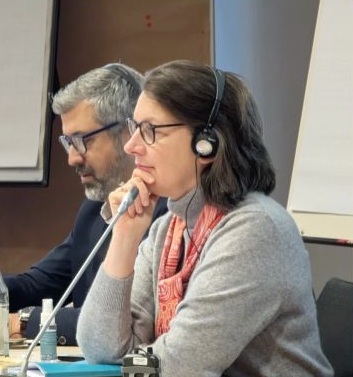
The Secretariat is currently working on several themes: member training, artificial intelligence, and preparation for the June plenary session:
- Finalisation of the internal training programme, primarily intended for newly elected members and open to all members;
- Organisation of four workshops on artificial intelligence, representing an initial stage of reflection to be further developed at upcoming meetings, with the objective of reaching a structured and shared position at the June plenary session;
- Validation of the topics for questions to be addressed to the Chair at the June plenary session.
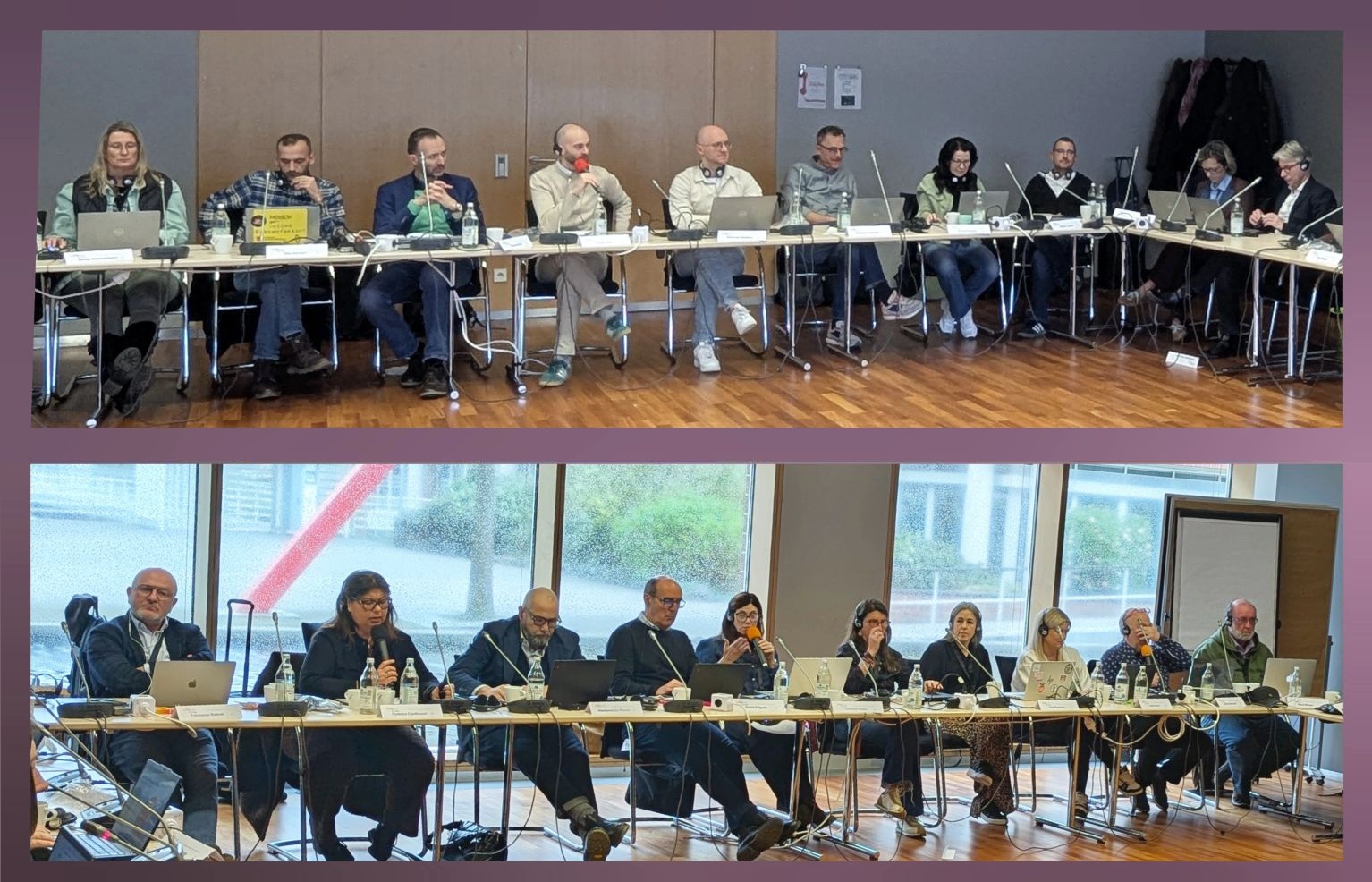
Find here the notes from the Secretariat :