Bureau April
09.06.2026
Koen HERMANS, Head of Group Employee Relations at AXA, states that this session will be devoted to an analysis of quantitative data:
- Olga Kravchenko, Group HR Operations Director, will present the key indicators of the Group’s social reporting.
- Alban de Mailly Nesle, Chief Financial Officer of AXA Group, will present the Group’s 2025 results and explain the growth drivers that contributed to them.
Group Social Reporting
In 2025, AXA recorded slight headcount growth driven by acquisitions, despite the impact of certain disposals. In a more subdued labour market, the age pyramid remains broadly stable.
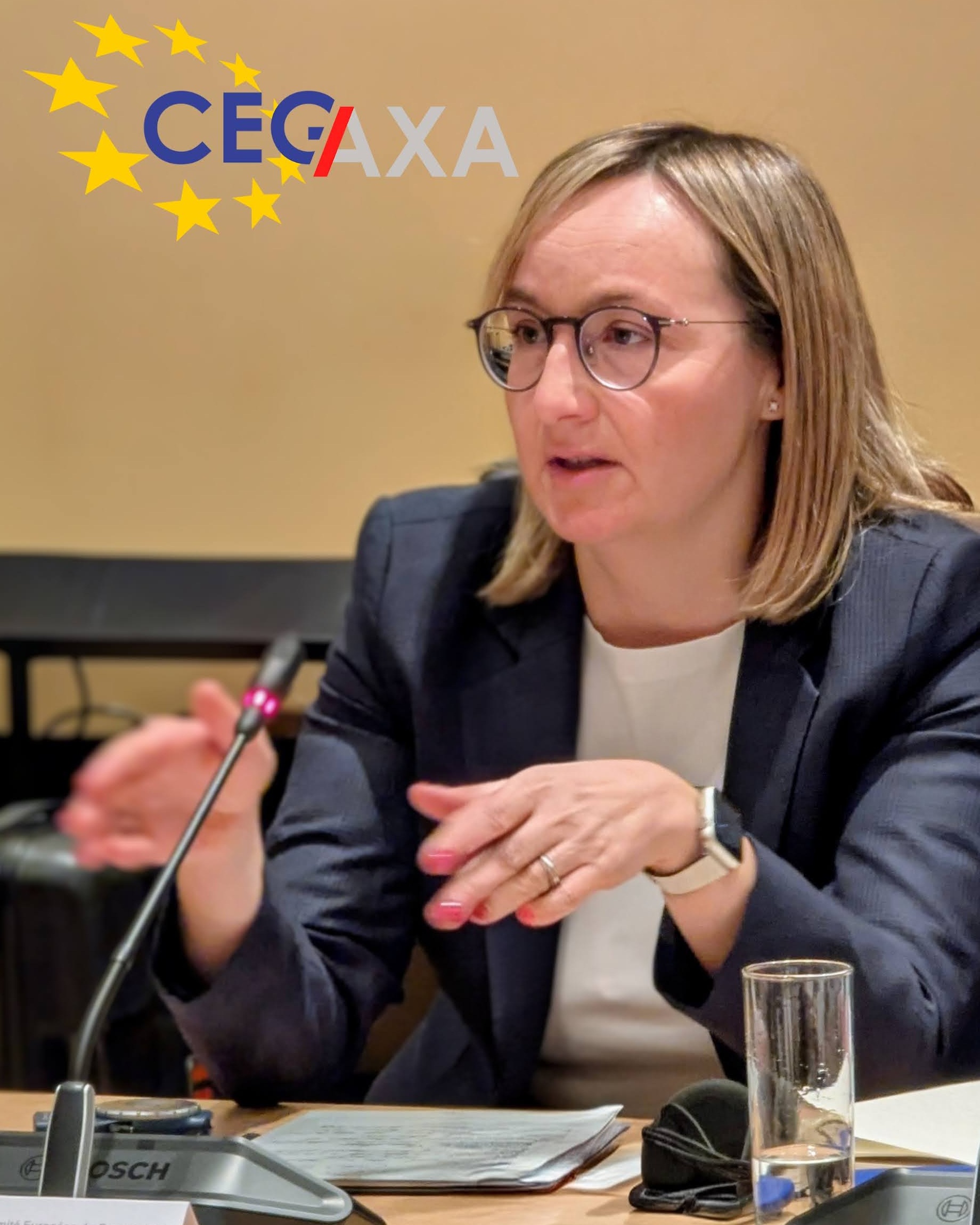
Olga KRAVCHENKO highlights a notable decline in attrition, with marked decreases in certain regions. Retirements are also falling, despite an ageing workforce, notably as a result of reforms and incentives to extend working life. This trend is leading to a slowdown in turnover and external recruitment, while internal mobility remains steady.
Overall absenteeism remains stable, but its composition is evolving, with an increase in parental leave and carers’ leave, which are becoming more prevalent across the Group.
In Europe, headcount is slightly down, mainly in connection with the exit from AXA IM. The region is characterised by an older workforce and lower attrition (4.5%). Retirements are also declining, while carers’ leave is increasing more significantly. Investment in training remains strong, with €71 million invested, benefiting more than one in two employees.
Finally, Olga KRAVCHENKO emphasises the completion of the People\@AXA programme, which has enabled the harmonisation of HR processes and tools across the Group. Further developments in training are still underway, and their full impact is expected to be visible within a year.
Group 2025 Results
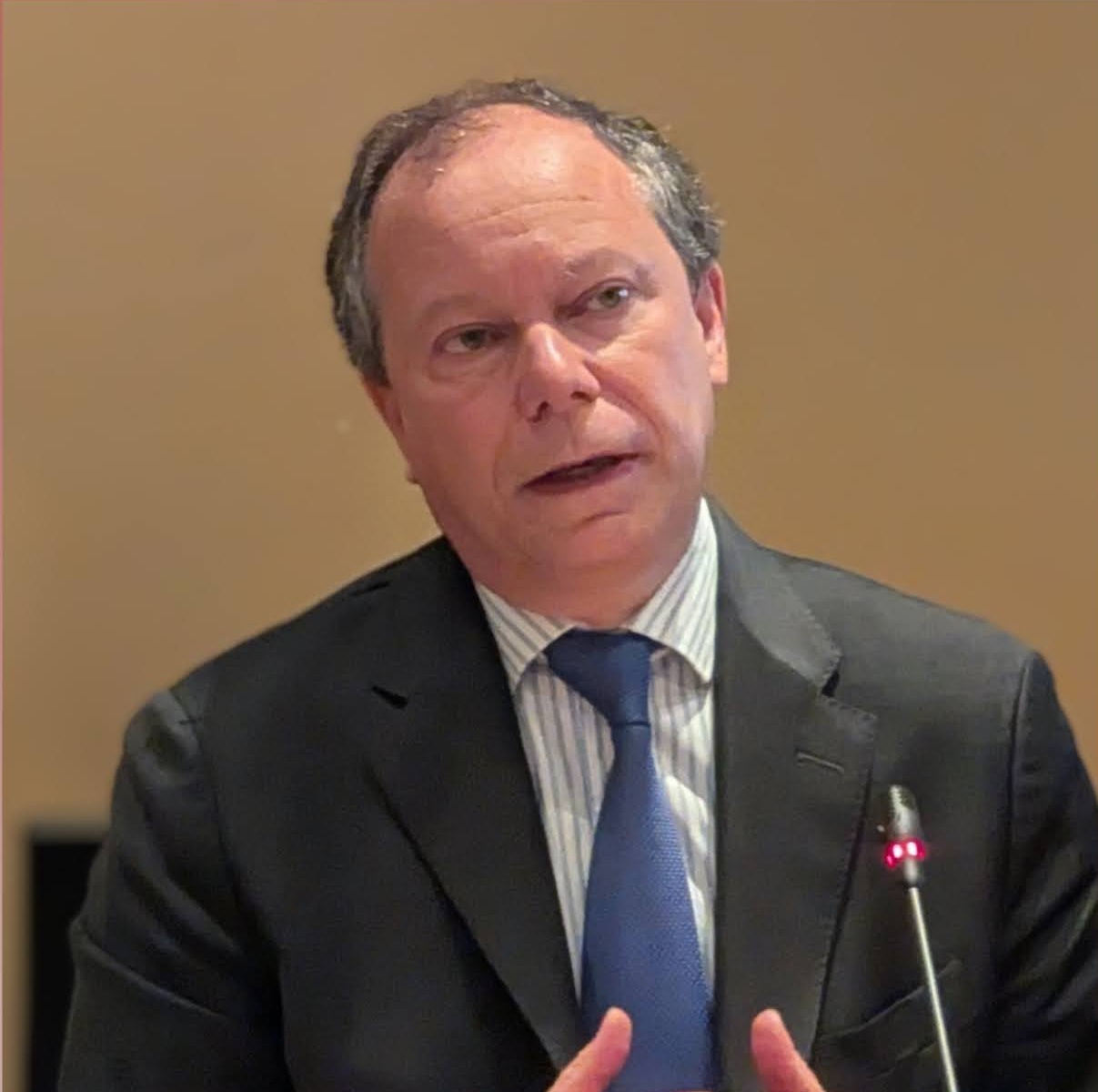
Alban de Mailly Nesle notes that 2025 is in line with the strategic plan and confirms the strength of performance: revenues up 6%, earnings per share up 8%, a return on equity of 16%, and a high solvency ratio (224%).
He highlights the strength of AXA’s model, balanced between property & casualty and life & health, enabling it to absorb cycles in a context of strong demand for insurance. All business lines are contributing to growth, despite challenges such as price reductions at AXA XL.
The strategy clearly relies on technology and AI to enhance productivity, support growth, and improve technical performance, alongside disciplined capital allocation.
Technical results remain of very high quality (combined ratio of 90.6%), investment income is increasing, and life insurance has returned to positive momentum. The disposal of AXA IM further strengthens solvency (232% pro forma).
Finally, he underlines market confidence, as reflected in the share price performance.
Pascale Rauline welcomes the Group’s strong health, which she considers favourable for employment.
Retrouvez ici les notes du secrétariat :